How to Split a Bulk Hoodie Order by Size and Color
Use a 240-piece purchase order to reconcile wholesale bookings, direct-to-consumer stock and last-minute size changes before cutting.
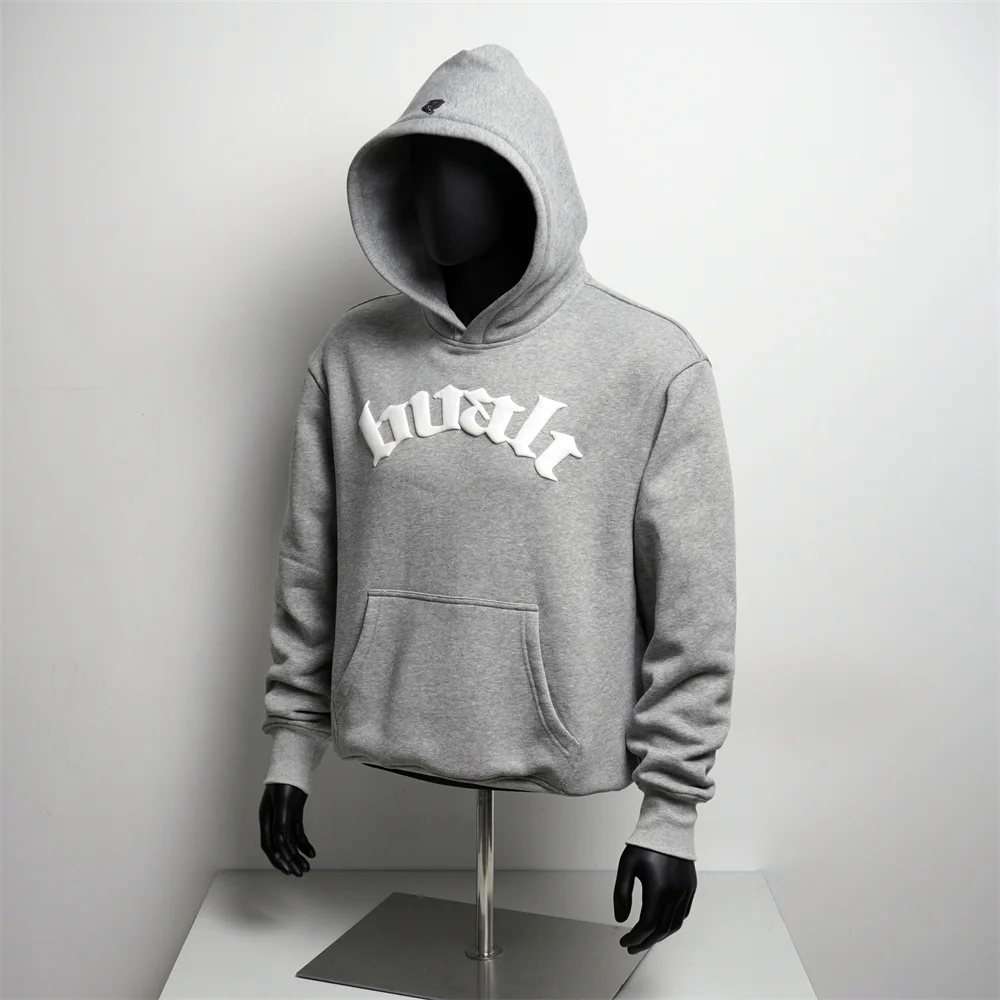
A 240-piece hoodie order can add up perfectly and still leave a retailer short on launch day. If two stores have booked 18 black XLs between them and your purchase order lists 15, three customers are already waiting for a size you haven’t ordered. Extra gray XLs won’t fill those orders.
For bulk custom hoodies, build the size run in two passes. Enter the units already promised to wholesale accounts, then allocate the stock your brand will sell directly.
Start with what each store has booked
Ask each wholesale account for quantities by both color and size. “Thirty black hoodies” is enough to reserve a color, but the factory still needs to know how many garments to cut in each size. Keep an account-level copy of those commitments so you can trace any later change back to the store that requested it.
For your own inventory, look at a previous hoodie with a comparable fit. Pay attention to how long each size was available. If medium sold out in a week and large stayed on sale for a month, their final sales totals alone won’t tell you which size had stronger demand. Check waitlists, backorders and the date each size sold out before copying the old ratio.
Read the order across and down
Here is an illustrative allocation for a two-color drop. The numbers show how to check a purchase order; your bookings and fit should determine your actual split.
| Color | S | M | L | XL | Total |
|---|---|---|---|---|---|
| Black | 16 | 42 | 54 | 32 | 144 |
| Heather gray | 12 | 30 | 34 | 20 | 96 |
| Total | 28 | 72 | 88 | 52 | 240 |
Read across to check each color commitment. Read down to check the size run. Then ask the manufacturer to confirm that 144 black and 96 heather gray work for the selected fabric and finish. If the gray quantity presents a sourcing issue, you want to know while you can still discuss options with your stores.
Make the last revision visible
Suppose a retailer moves four black units from L to XL. Black L drops from 54 to 50, and black XL rises from 32 to 36. The black total still reads 144. The order total still reads 240. Someone checking only those two totals could easily cut the old size run.
Put the style code, fit revision, color references, quantity grid and revision date on one purchase order. Highlight both changed cells and ask the factory to acknowledge the revised sheet before cutting. That gives your buyer, production contact and warehouse the same numbers to work from. Browse TOPSHOW hoodie styles · Read the hoodie MOQ and cost guide